
Healthcare & Hospital Solutions
Discover resilient, cost-effective power generated without combustion for dramatically reduced impacts on air quality.
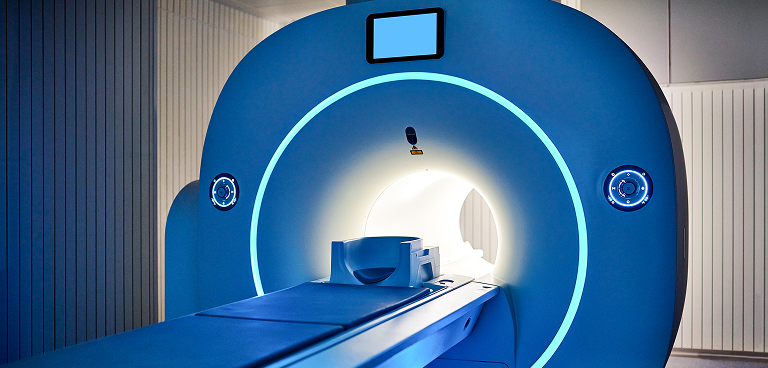

Hospitals can’t afford downtime
Discover how Bloom Energy’s always on, zero-combustion microgrids are redefining energy resilience—keeping critical care running, reducing emissions, and preparing healthcare for what’s next.
Benefits to Healthcare & Hospitals
Power your critical operations with resilient, cost-effective power that reduces emissions and air pollution for better patient and community health outcomes. Available in both grid-connected and islanded configurations.
Cost Reduction
Resilient
Clean & Sustainable
Quiet
Scalable
Our Customers
Fortune 100 companies around the globe trust Bloom Energy to deliver clean, reliable power at predictable costs.




“Our hospitals and medical centers care for more than 1.5 million patients each year. Many of our facilities are open 24 hours per day, 365 days per year, so reliable electricity is both crucial to our operations, and one of our largest utility costs. With the Bloom systems, we can save money, improve our resiliency to outages, and virtually eliminate particulate pollutants, responsible for cardiovascular, and respiratory diseases in our community.”
– Senior Manager of Energy & Sustainability at Mass General Brigham
Related Content
Get in Touch with Bloom Today
Healthcare Energy Efficiency FAQs
What are the primary energy-related challenges the U.S. healthcare industry is currently facing?
The healthcare industry is the second most energy-intensive commercial sector in the U.S., spending over $10 billion annually on energy. This high demand is driven by 24/7 operations, energy-heavy medical equipment, and strict HVAC requirements. The industry is also a significant contributor to emissions, accounting for 8.5% of the U.S. total.
How does Bloom Energy's platform offer a comprehensive solution to these distinct challenges?
Bloom Energy’s fuel cell system is designed to address resilience, cost, and sustainability challenges simultaneously. It provides a primary power source that is clean, reliable, and predictable. It can operate in connection with the traditional grid or independently, providing continuous, high-quality power to ensure that critical life-saving equipment and operations are never compromised by grid outages. It offers a long-term, predictable cost structure for electricity, protecting healthcare facilities from the volatility of energy markets. And it reduces carbon emissions compared to traditional grid power, helping healthcare organizations meet their environmental goals without sacrificing reliability.
Beyond basic backup power, how does the Bloom Energy Server enhance operational resilience for a hospital?
Unlike traditional backup generators that only activate during an outage (and can sometimes fail), the Bloom Energy Server is a primary power source. This means it’s not just for emergencies and can power essential operations continuously. This there is no interruption or power quality fluctuation when the grid goes down.
What results have healthcare organizations seen after adopting Bloom Energy's solution?
Organizations that partner with Bloom Energy can reduce their carbon emissions, contributing to the industry’s overall goal of decarbonization. Furthermore, customers can gain immunity from grid outages, which are becoming more frequent. This ensures that patient care remains uninterrupted, which is the foremost priority for any healthcare provider.