
Oil & Gas Solutions
Discover fast, reliable, cost-effective power generated onsite without combustion.
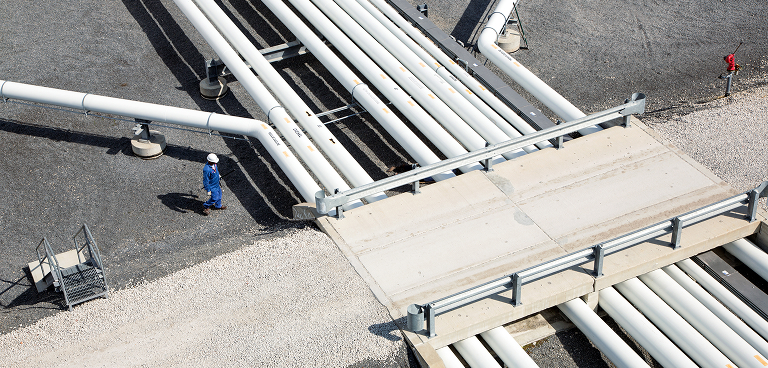
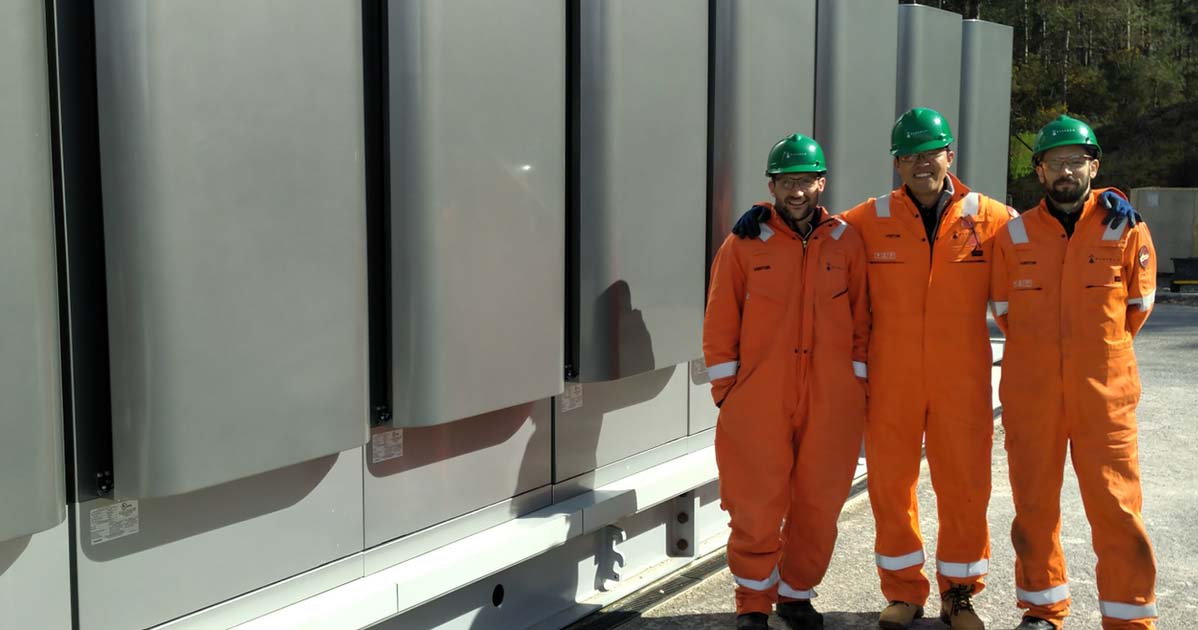
Powering Europe’s Largest Onshore Oil Field with Fuel Cells
Bloom Energy fuel cells are now delivering reliable, low-emission power to western Europe’s largest onshore oil field.
Benefits to Oil & Gas
Bloom Energy fuel cells deliver reliable, combustion-free power with up to 99.999% uptime, reduced carbon emissions and predictable energy costs.
Cost Reduction
Secure savings the double digits with predictable long term power costs.
Resilient
Clean & Sustainable
Quiet
Scalable
Related Content
Get in Touch with Bloom Today
Oil & Gas Industry FAQs
What commitments is the Oil & Gas industry making regarding clean energy?
The Oil & Gas industry is making bold commitments across its entire value chain to transition to a clean energy future. Companies throughout the sector are recognizing the need to transform their power sources and operations to meet sustainability goals.
How can Bloom Energy help Oil & Gas operators transition to cleaner energy?
Bloom’s onsite power generation system has a strategic role to play in transforming the power source landscape for Oil & Gas operators. Its versatility as an energy platform makes it the most effective solution to address the industry’s complex energy needs, providing reliable, cleaner, affordable power while supporting operational efficiency.
How is the Oil & Gas value chain structured?
Oil & Gas activities can be divided across a well-defined, tightly connected value chain where all steps are tightly connected. The value chain consists of three main segments: Upstream (exploration and production), Midstream (transportation and storage), and Downstream (refining and distribution).
Where are the greatest opportunities for emissions reduction in the Oil & Gas industry?
There is significant opportunity to reduce emissions while improving efficiencies across the full lifecycle of Oil & Gas operations. Each stage of the value chain presents unique opportunities for implementing cleaner energy solutions.
How is energy consumption distributed across the Oil & Gas value chain?
Energy consumption is distributed as follows:
- Upstream operations: ~45% of total energy consumption
- Midstream operations: ~10% of total energy consumption
- Downstream operations: ~45% of total energy consumption
Which segment of the value chain consumes the most power and generates the most emissions?
Upstream operations consume a very high share of the power throughout the value chain and generate the highest share of emissions. This makes upstream operations a critical focus area for emissions reduction initiatives.
What percentage of global emissions come from the Oil & Gas industry?
The Oil & Gas industry’s environmental impact is substantial:
- Direct and indirect emissions from the Oil & Gas industry represent 9% of the global total
- The fuels produced by the Oil & Gas industry create another 33% of global emissions
- Combined, this means the Oil & Gas industry is responsible for approximately 42% of global emissions
What emissions reduction targets must the Oil & Gas sector achieve to mitigate climate change?
To play its part in mitigating climate change to the degree required, the Oil & Gas sector must reduce its emissions by at least 3.4 gigatons of carbon-dioxide equivalent (GtCO₂e) a year by 2050. This represents a 90% reduction in current emissions levels.
How urgent is the need for emissions reduction in the Oil & Gas industry?
The need is extremely urgent. Achieving a 90% reduction in emissions by 2050 requires immediate and sustained action across all segments of the value chain. This ambitious target underscores the critical role that innovative energy solutions like Bloom Energy’s technology must play in the industry’s transformation.
What external factors can impact Oil & Gas operations?
Natural disasters can have a significant negative impact on refinery operations and associated costs. This highlights the need for resilient, reliable energy solutions that can maintain operations during challenging conditions.
Why is operational resilience important in the Oil & Gas industry?
Given that natural disasters and other disruptions can severely impact refinery operations and create substantial costs, having a resilient and reliable power source is critical. Bloom Energy’s solutions are designed to provide high availability and maintain operations even during challenging conditions.
How does focusing on energy transformation benefit Oil & Gas operators?
By adopting advanced onsite power solutions like Bloom Energy’s technology, Oil & Gas operators can simultaneously:
- Reduce their environmental footprint and meet sustainability commitments
- Improve operational efficiency across the value chain
- Enhance resilience against disruptions
- Position themselves competitively in the transition to a clean energy future
- Make meaningful progress toward the required 3.4 GtCO₂e annual emissions reduction by 2050