Power access and reliability have always been critical considerations for manufacturers. They affect operating costs, consistency, and the economics of every facility.
In my conversations with industrial customers, I’m hearing that electricity is becoming an earlier priority in expansion decisions. AI data center growth is a big factor in this shift. The companies manufacturing the servers, chips, cooling systems, electrical equipment and other infrastructure behind that growth need electricity to power their growth.
Manufacturers still focus on customer demand, workforce, and supply chain in these decisions. But more than ever before, they are asking how much power they can secure, whether it will be ready in time, and how that impacts their schedules and outcomes.
A production line can’t wait for power
For manufacturers, electricity is part of the production environment. An interruption can stop a line, disrupt a controlled process, damage material, or affect quality.
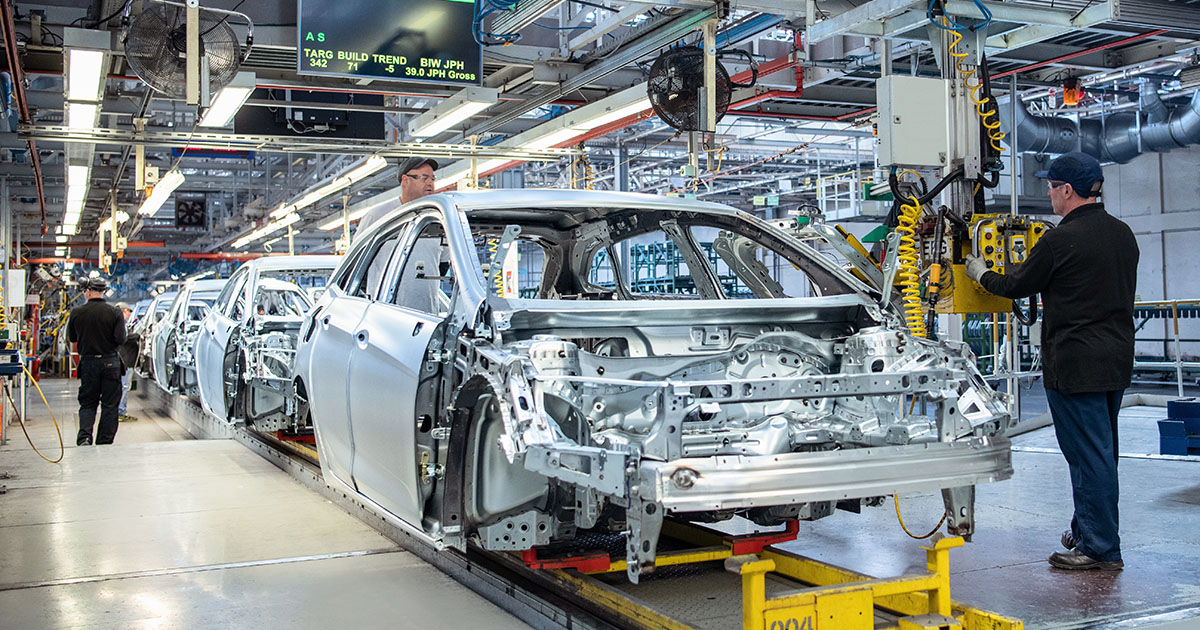
Growth creates a different version of the same problem. Most manufacturers do not expand by building a new facility every time demand rises. They add a line, expand a clean room, install more automation, or bring additional equipment onto an existing campus. The site, workforce and customers may already be in place – but sometimes, the power is not.
When the timing of new power capacity does not match the production plan, a growth opportunity can become a scheduling problem, then a customer problem and eventually an investment problem.
Powering the AI supply chain
Every AI deployment has a physical supply chain behind it. As investment in AI infrastructure grows, manufacturers are increasing outputs. Servers have to be assembled and semiconductors fabricated. Networking equipment, cooling systems, and electrical infrastructure must be produced at scale.
With that come decisions about equipment, facilities, capital, and power. Availability of power now matters at many points in the value chain.
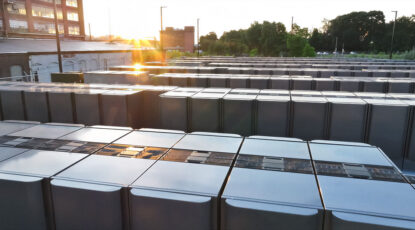
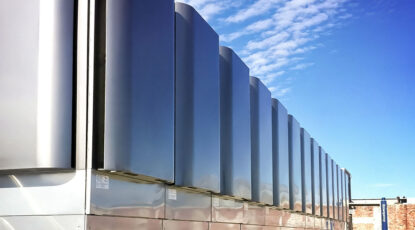
MiTAC Computing is a clear example. The company manufactures AI servers, and rising demand for AI infrastructure requires it to support current operations while preparing for additional production. At MiTAC’s Fremont, California, manufacturing campus, Bloom Energy is deploying fuel cell systems for an islanded microgrid, building on an existing deployment at their San Jose facility. Onsite power generation, via fuel cells, helps the company bring new capacity online at AI speed.
The cost of waiting on power
Energy cost remains a real challenge where a relatively small difference in electricity prices can affect the economics of an energy-intensive operation. But manufacturers now also have to account for the cost of waiting. A company may have customer demand, approved capital, equipment on order and a production target, but the business case changes if power won’t be available for several years.
Delayed revenue, customer commitments at risk, or a competitor capturing a market opportunity first are commercial questions. That means power belongs in the same conversation as operations, capital allocation, site selection, and expansion.
For executives, the practical implication is to evaluate power needs alongside production requirements – before site, capital plan, and operating timelines are set. Utility service remains critical, but when utility timelines don’t match business timelines, manufacturers can evaluate fuel cells as a source of reliable, onsite power generation. The goal is not to replace the grid, but to expand companies’ growth options.
The same principle applies to resilience. Reliable power protects against outages and lost production, but it also supports the upside. It can determine whether a company can increase output when customers need it.
Power as a competitive advantage
Manufacturers will continue to compete on product quality, cost, talent, technology, and execution. But their assumptions that electricity will be available whenever the growth plan requires it no longer hold.
When a manufacturer cannot add capacity on schedule, the effect can move quickly through customer commitments, supply chains, and future investment decisions. A power constraint at one facility becomes a production constraint somewhere else.
Companies that address power early will be best positioned to turn demand into production and gain a competitive advantage.